

Within the city of Omaha, property owners and businesses alike are continually seeking creative solutions to improve their flooring. One alternative that has been growing traction is epoxy flooring, which provides a blend of durability, aesthetic appeal, and practical use. With Epoxy floor installation, , epoxy floor finish can enhance spaces from residential garages to busy business environments. As community property owners weigh the benefits of contemporary materials against conventional flooring methods, it becomes important to comprehend how epoxy flooring measures up.
Epoxy floor application presents a compelling option for those who are looking to improve their existing flooring. If it’s a garage floor makeover, a moisture-proof floor coating for cellars, or commercial floor coatings for warehouses, the advantages of epoxy cannot be ignored. Not only does it provide a slip-resistant surface that is easy to maintain, but it also resists harsh chemicals, making it a practical choice for auto shops and restaurant cooking areas. As we explore the Omaha perspective on this flooring solution, we will dive into its long-lasting nature, the possibility for impressive designs like 3D and metallic epoxy, and the current special deals that make epoxy flooring an appealing investment.
Benefits of Epoxy Flooring
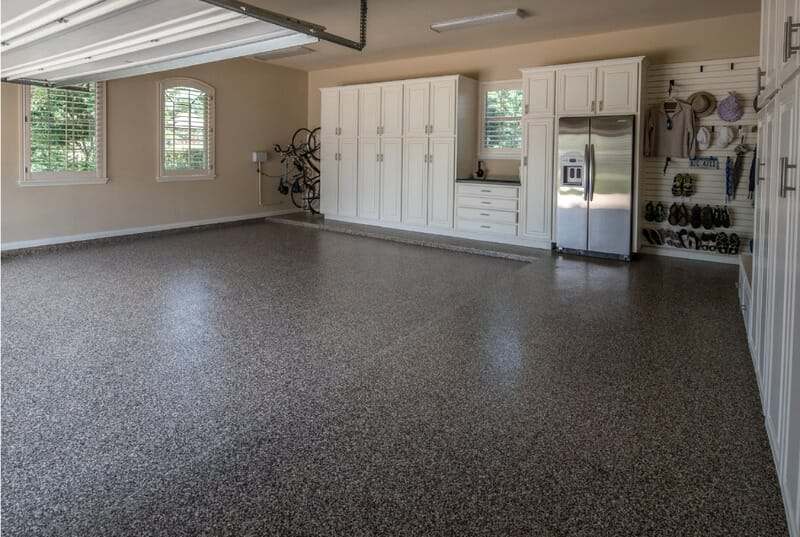
Epoxy floor coverings offers superior strength, making it a preferred selection for diverse settings in Omaha. With its high tolerance to caustic materials and abrasions, epoxy garage flooring is ideal for areas where spills or intense activity occur. This type of flooring not only endures the trial of use but also helps protect the subsurface concrete from damage, ensuring a durable finish for both residential and business spaces.
Another significant plus of epoxy coatings is its low maintenance requirement. An easy to clean garage floor results from the continuous nature of this material, which avoids debris and grime from building up in joints or gaps. Whether in a busy auto shop or a home basement, the waterproof finish ensures that surfaces are not only aesthetic but also practical, providing a tidy and welcoming atmosphere with low work.
Security is a critical factor in flooring choices, and epoxy surfaces excels in this aspect as well. With options for slip-resistant floor coating, it improves security in busy environments such as kitchens in restaurants or warehouse floor coating. In addition, the customizable nature of epoxy finishes allows property owners and entrepreneurs in the Omaha area to choose the look, color, and texture that best satisfies their needs while ensuring a secure, appealing environment.
Epoxy Resin Application Procedure
The epoxy resin application process begins with comprehensive prep of the existing surface area. This involves cleansing the area to get rid of any dirt, grease, or contaminants that could impact binding. For garage floor epoxy or industrial epoxy flooring, it may be essential to grind or blast the concrete to create a rough texture, enhancing the adhesion between the epoxy and the concrete. Proper preparation ensures that the waterproof floor coating adheres properly, leading to a durable finish.
Once the surface is ready, the real epoxy floor installation can commence. The epoxy is typically blended and poured onto the floor in coats. Contractors might use a self-leveling epoxy floor system that helps the product distribute evenly across the area. This step is crucial for achieving a flat and consistent appearance, especially for applications such as residential epoxy flooring, restaurant kitchen flooring, or industrial finishing. During this stage, care is paid to incorporating slip-resistant components, which improve safety in busy areas.
After the epoxy is applied, the curing phase starts. It is important to permit the epoxy to harden fully to achieve the desired durability and chemical resistance. Depending on the specific form of epoxy, such as metallic finish epoxy carport floor or 3D epoxy flooring, curing time might vary. Generally, minimal foot traffic may be allowed after 24 hours, but full curing can take several days. Homeowners looking for a carport surface revamp or business operators needing a new warehouse floor coating should factor in this timeline when planning their projects to ensure best results.
Comparing Resin and Conventional Flooring
When it comes to flooring options in Omaha, epoxy coatings and conventional options present unique advantages and challenges. Epoxy flooring is renowned for its durability and resistance to various environmental factors. Unlike Epoxy floor installer, , which may require regular replacements or heavy maintenance, epoxy flooring offers a longer lifespan, making it an appealing investment for property owners and businesses alike. Additionally, the simple to clean garage floor feature of epoxy surfaces ensures that maintenance efforts are minimized.
Traditional flooring options, such as tile or linoleum, can also be attractive but often come with limitations. These materials may not offer the same level of chemical resistance or water-resistant capabilities as resin. For commercial and industrial spaces, the challenges of spills and heavy foot traffic are lessened through the use of commercial epoxy flooring. With finishes designed to resist spots and damage from strong chemicals, these surfaces can excel beyond conventional options in challenging environments.
Another significant comparison point is appearance. While Epoxy flooring Omaha, can be visually appealing with various design choices, epoxy flooring provides distinct designs such as metallic epoxy and three-dimensional epoxy. This versatility allows for innovative choices that can improve the ambiance of any space, from restaurant kitchen flooring to showroom floor coating. Ultimately, the decision between resin and traditional flooring is dependent on personal needs, likes, and the particular needs of the space being considered.
Price Factors
If you considering a epoxy flooring system for your location in Omaha, it is crucial to examine the upfront expenditure and long-term value. The expense of epoxy floor installation can fluctuate significantly based on elements like the kind of epoxy selected, the size of the space, and any unique attributes like metallic finishes or self-leveling applications. Residential epoxy flooring might be more affordable compared to commercial epoxy flooring, which often requires more thorough preparations and higher-grade materials to handle greater traffic.
In addition to setup costs, you should consider potential maintenance and longevity as you evaluating overall outlay. Many property owners and entrepreneurs are drawn to epoxy because of durability, as it can withstand chemicals and is easy to clean. A professionally installed epoxy floor can last for many years, making it a cost-effective choice over time. For greater challenging environments, like auto shops or restaurant kitchens, choosing a chemical-resistant flooring option may have a larger upfront cost but can reduce frequent replacements and repairs.
Finally, don't forget to shop around for epoxy flooring promotions and free epoxy floor quotes. Obtaining quotes from different contractors can help ensure you secure the best price for your desired look and functionality. It's crucial to consider upfront costs against the benefits of having a water-resistant and slip-resistant floor surface, which leading to savings on both maintenance and possible downtime in a commercial setting.
Maintenance and Longevity
Epoxy flooring is well-known for its extraordinary resilience, making it a common choice for different applications in Nebraska. When applied properly, epoxy floor coatings can endure significant foot traffic and are impervious to scratches and blemishes, which is particularly beneficial in settings like businesses and warehouses. Property owners looking for a long-lasting option for their garage or cellar can benefit from the robust characteristics of epoxy finishes, ensuring that their expenditure lasts over time.
Maintenance for epoxy floors is somewhat simple, contributing to their appeal among owners. An easy-to-clean garage floor is readily achievable with a basic cleaning routine that involves brooming and intermittent mopping. The moisture-resistant nature of epoxy also stops staining, which is critical for areas exposed to oils and substances, such as mechanic garages or restaurant kitchens. Regular care not only keeps the floor looking great but also extends its lifespan, reinforcing the advantages of having home and commercial epoxy flooring.
In terms of durability, correctly laid epoxy floors can last anywhere from 10 to 20 years, depending on how they are used and the individual circumstances of the setting. Factors such as foot traffic, exposure to harmful substances, and care routines play a vital role in influencing how long epoxy will hold up. Property owners thinking about a carport floor renovation or businesses in need of storage floor treatment should make it a priority to get a specialized epoxy floor installation quote to grasp the possible longevity and advantages of this flooring choice compared to others, such as polyurea coatings.